




China has defended its recent rare earth export controls, calling them “legitimate” and necessary to safeguard national interests. The move comes as tensions rise with the United States over new tariffs and trade restrictions. Beijing insists its actions are lawful and fair, countering U.S. claims that the curbs are politically motivated. The standoff adds a new layer of strain ahead of a possible meeting between Presidents Xi Jinping and Donald Trump.
Context: Rare Earths at the Center of Global Trade Tensions
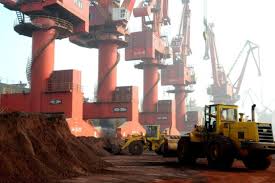
Rare earth elements are essential materials used in electronics, renewable energy systems, and defense technologies. China dominates the world’s rare earth processing industry, giving it significant influence over global supply chains.
In early October 2025, China tightened its export oversight on rare earths, expanding controls to include materials used in defense and semiconductor manufacturing. Officials emphasized that exports for civilian purposes would still be allowed but would require proper licensing.
At the same time, the U.S. government announced 100 percent tariffs on a range of Chinese imports, set to take effect in November. This marked another escalation in the long-standing trade rivalry between the two largest economies.
Key Developments: China Pushes Back Against U.S. Pressure
Beijing Frames Curbs as Defensive, Not Aggressive
China’s Ministry of Commerce stated that the new export rules are a defensive measure against unfair U.S. actions that threaten Chinese supply chains. Officials said the restrictions were implemented to protect national security and maintain fair competition, not to disrupt global trade.
Beijing criticized the U.S. tariffs as a “double standard,” arguing that Washington has long used export controls and blacklists to restrict Chinese companies, while accusing others of doing the same.
Civilian Exports to Continue
To calm market concerns, Chinese authorities clarified that civilian exports of rare earths would continue through a licensing process. Companies that comply with regulations will still be able to access Chinese materials for industrial use.
However, exports for defense or advanced semiconductor applications will face closer scrutiny. Each license application will be reviewed individually, and some may be denied if they are deemed to involve sensitive technologies.
Strategic Timing Before a Possible Trump-Xi Meeting
The timing of China’s statement appears calculated. With speculation growing about a potential meeting between President Xi and former U.S. President Donald Trump, Beijing’s message balances firmness with diplomacy.
By framing its export curbs as “legitimate” while keeping trade channels partly open, China may be signaling that it is willing to negotiate — but on its own terms.
Expert Insight: Balancing Leverage and Stability
Analysts believe China’s strategy is a calculated mix of defense and diplomacy. On one hand, it reinforces the country’s control over vital resources. On the other, it avoids escalating the situation into a full-blown trade war.
Experts say that China is leveraging its rare earth dominance to remind Washington of its dependence on these critical materials. However, by not completely halting exports, Beijing preserves room for future dialogue.
U.S. industries, especially those involved in clean energy, electric vehicles, and military technology, could face disruptions if the restrictions tighten further. This uncertainty is already prompting countries like Australia, Canada, and the United States to accelerate domestic rare earth production.
Global Impact and What Comes Next
Supply chain concerns: China’s export controls have intensified global efforts to diversify sources of rare earth materials. Several nations are investing in mining and refining projects to reduce dependence on Chinese suppliers.
Diplomatic tension: The export dispute is expected to feature prominently in upcoming diplomatic discussions. Both sides may use it as a negotiation tool to secure better trade terms.
Technology sector risks: Industries reliant on rare earth magnets and semiconductors are bracing for potential delays and cost increases. Any slowdown in export licensing could impact production timelines globally.
Risk of escalation: If Beijing further restricts exports or if Washington imposes additional tariffs, the dispute could widen into a broader economic confrontation affecting global technology supply chains.
Conclusion: Strategic Control and Global Consequences
China’s defense of its rare earth export controls underscores its determination to protect national interests while maintaining leverage in its economic rivalry with the United States. Though officials have reassured markets that civilian trade will continue, the broader message is clear — China intends to use its dominance in rare earth materials as both a shield and a bargaining chip.
As both nations prepare for potential high-level talks, rare earth elements are emerging as a symbol of deeper geopolitical competition — one that could shape global trade, technology, and security for years to come.