
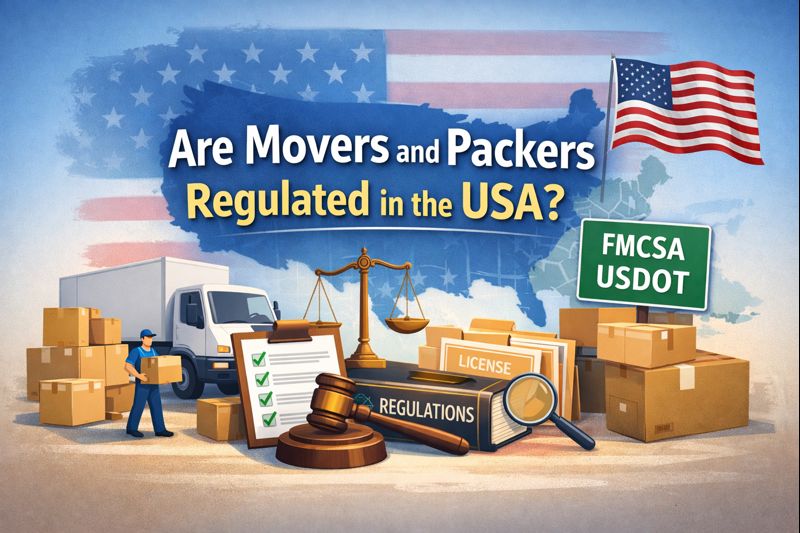
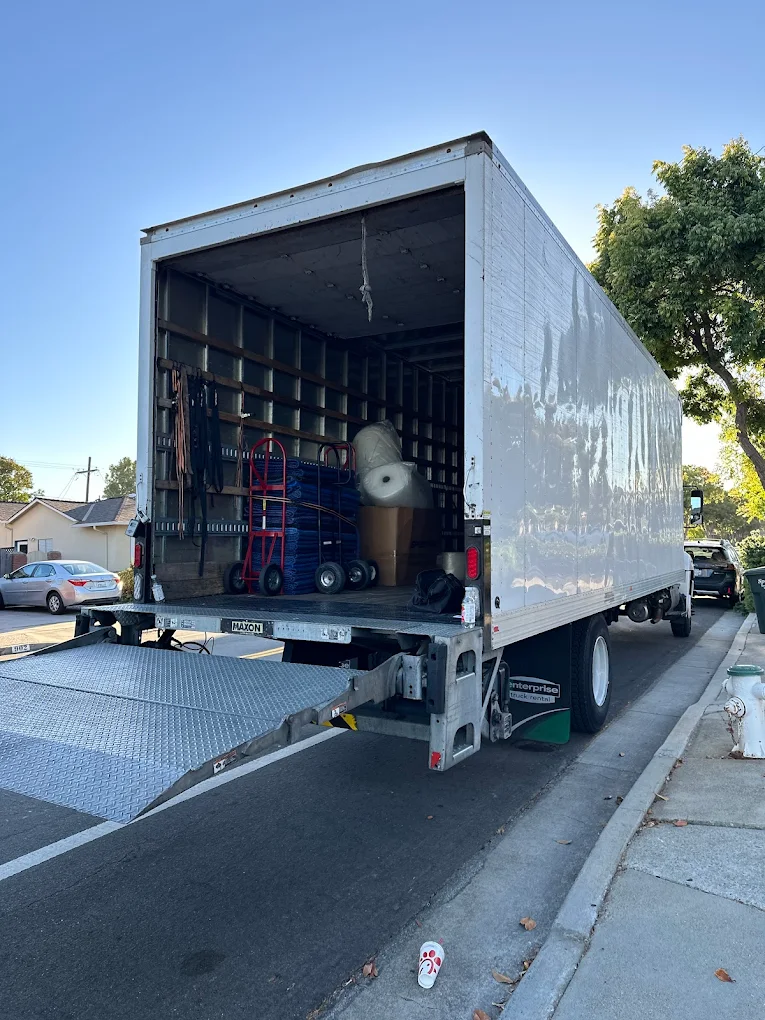


Relocating a home or business involves significant financial and personal risk. A common question consumers ask is whether moving companies in the United States are regulated—and if so, by whom. The answer is yes: movers and packers operating in the U.S. are subject to regulatory oversight, though the governing authority depends on the type of move.
Understanding these regulations is essential to protecting your property, avoiding fraud, and ensuring a lawful moving experience.
Regulatory Oversight of Moving Companies
Moving companies in the United States are regulated at either the federal or state level, depending on whether the move crosses state lines.
Interstate Moving Companies
Movers transporting household goods across state lines are classified as interstate movers and are regulated by the Federal Motor Carrier Safety Administration (FMCSA), an agency within the U.S. Department of Transportation.
Federal law requires interstate movers to:
- Obtain and maintain an active USDOT number
- Carry minimum levels of cargo and liability insurance
- Adhere to federal consumer protection and safety regulations
The USDOT number serves as a unique identifier that allows consumers to verify a mover’s registration status, safety history, and insurance coverage through the FMCSA’s public database.
Intrastate (Local) Moving Companies
Moving companies that operate solely within a single state are regulated by that state’s designated authority, which may include:
- Public utility commissions
- Departments of transportation
- Consumer protection agencies
Licensing, insurance, and compliance requirements for local movers vary significantly by state. Some states enforce strict licensing and tariff regulations, while others impose minimal requirements. Consumers are encouraged to verify local licensing rules through their state regulatory agency.
How to Verify a Legitimate Moving Company
Before hiring a residential or commercial mover, consumers should take the following verification steps:
- Confirm the USDOT Number
For interstate moves, request the company’s USDOT number and verify it through the FMCSA database. - Verify a Physical Business Address
Legitimate movers maintain a physical office or warehouse location. Be cautious of companies that provide only a phone number or website with no verifiable address. - Obtain Written Estimates
Federal regulations require interstate movers to provide written estimates. Consumers should avoid companies that refuse in-home or virtual surveys and offer pricing solely over the phone.
Key Moving Documents and Terms Explained
Consumers should understand the following commonly used terms before signing a moving contract:
- Binding Estimate
A binding estimate establishes a fixed price for the move, provided no additional services or items are added after the estimate is issued. - Valuation Coverage
Movers are required to offer valuation protection, which determines the level of compensation in the event of loss or damage.- Released Value Protection (typically $0.60 per pound per item) is included at no additional cost.
- Full Value Protection offers greater coverage but involves an additional charge.
- Order for Service
A legally binding document confirming the agreed-upon services, pickup and delivery dates, and pricing terms.
Using Comparison Platforms to Enhance Transparency
Identifying affordable, licensed, and reputable moving companies can be time-consuming. Comparison platforms such as 101 Sols can assist consumers by presenting multiple moving service providers in one place, allowing for easier review of credentials, pricing transparency, and customer feedback.
Such platforms do not replace regulatory verification but can serve as an additional research tool when selecting a moving company.
Best Practices for a Compliant and Stress-Free Move
To reduce risk and ensure compliance with applicable regulations, consumers should:
- Begin planning at least four weeks in advance
- Compare no fewer than three written estimates
- Review customer feedback from multiple sources
- Ask about potential additional charges, including fees for stairs, heavy items, long carry distances, or packing services
- Retain copies of all contracts and documentation
Conclusion
A successful move begins with selecting a properly licensed and regulated moving company. By understanding federal and state oversight requirements and verifying credentials in advance, consumers significantly reduce the risk of disputes, delays, or financial loss.
Choosing a mover that complies with applicable laws is not only a best practice—it is a critical safeguard for your property and peace of mind.