


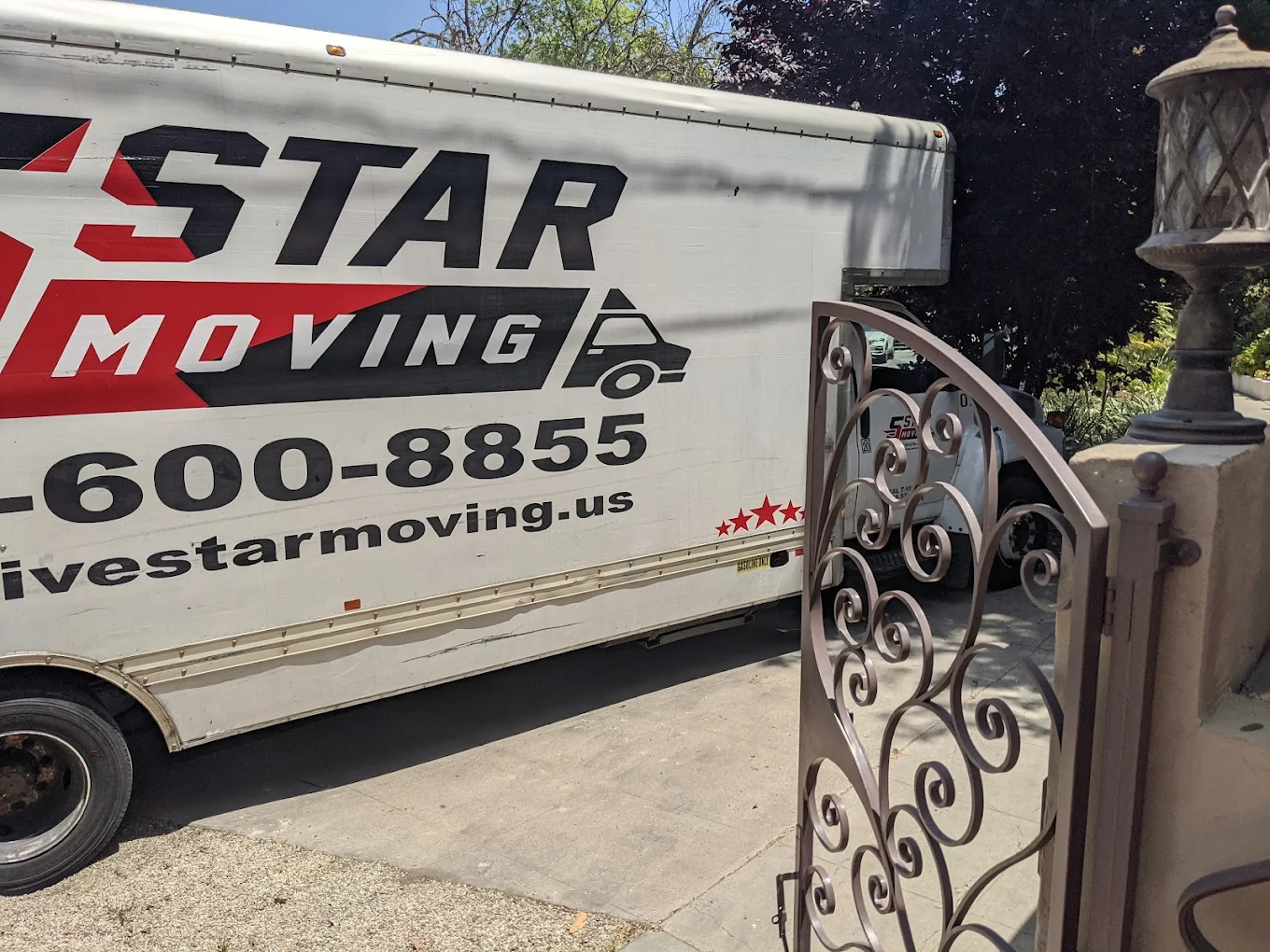



Moving to a new home or office is a major life event. Whether you are relocating across town or across state lines, choosing the right moving company can mean the difference between a smooth transition and a costly, stressful experience.
This guide explains how to evaluate and select a reliable moving company in the United States, using verified industry standards, federal regulations, and consumer-protection best practices.
Why Choosing the Right Moving Company Matters
Hiring an unlicensed or unreliable mover can lead to:
- Damaged or lost belongings
- Unexpected price increases after loading
- Delivery delays or “hostage load” scams
- Limited or no insurance coverage
According to U.S. consumer-protection agencies, complaints about moving services often involve pricing disputes, late deliveries, and missing items. These issues are largely avoidable when movers are properly licensed, insured, and reviewed.
Step 1: Identify the Type of Move You Need
Moving companies specialize in different services. Start by identifying your move type:
Common Move Categories
- Local moves: Typically within the same city or metro area; often billed hourly
- Long-distance moves: Usually over 100 miles or across regions
- Interstate moves: Cross state lines and must follow federal regulations
- Residential moves: Apartments, condos, and houses
- Commercial moves: Offices, warehouses, and business equipment
Knowing your move type helps you avoid hiring a company that lacks the right experience or licensing.
Tip: Be upfront about stairs, elevators, large furniture, or specialty items (pianos, safes, antiques).
Step 2: Verify Licensing and Insurance (Critical Step)
Interstate Movers (Required by Law)
If your move crosses state lines, the mover must be registered with the Federal Motor Carrier Safety Administration (FMCSA) and have a valid USDOT number.
You can verify this through the FMCSA’s official mover database.
Local and In-State Movers
Local movers must comply with state-level licensing requirements, which vary by state. Many states regulate movers through public utilities or transportation departments.
Insurance & Valuation Coverage
All legitimate movers offer valuation coverage:
- Released value protection: Covers items at $0.60 per pound (basic)
- Full value protection: Covers repair, replacement, or reimbursement
Avoid companies that cannot explain their insurance clearly or operate without documentation.
Step 3: Research Reviews and Complaint History
Consumer feedback is one of the most reliable indicators of mover quality.
Where to Check
- Google Reviews
- Better Business Bureau (BBB)
- Consumer review platforms
What to Look For
- Consistent feedback patterns (not one-off complaints)
- How the company responds to negative reviews
- Complaints involving pricing changes, delays, or damaged items
Tip: A perfect rating is less important than a long history of consistent, realistic reviews.
Step 4: Get Written Estimates From Multiple Movers
Always request written estimates from at least three moving companies.
Types of Estimates
- Binding estimate: Price is fixed unless you change the scope
- Non-binding estimate: Final cost may vary based on actual weight or services
In-home or virtual walkthroughs tend to be more accurate than phone-only quotes.
Warning Sign: Extremely low estimates compared to competitors may indicate hidden fees or poor service quality.

Step 5: Ask the Right Questions Before Booking
Before signing a contract, ask:
- Are packing and unpacking services included or optional?
- Are materials (boxes, wrap) charged separately?
- How are delays or damages handled?
- Are storage services available if needed?
- What is the cancellation or rescheduling policy?
Make sure all answers are reflected in the bill of lading, which serves as your official moving contract.
Common Mistakes Movers Make (And How to Avoid Them)
❌ Choosing the cheapest quote without verification
❌ Skipping license and insurance checks
❌ Failing to read contracts and estimate details
❌ Paying large cash deposits upfront
✅ Best practice: Reputable movers typically request payment upon delivery, not before.
Typical Moving Costs in the USA
Costs vary by location, season, distance, and inventory.
- Local moves: $100–$200 per hour (2–4 movers)
- Long-distance moves: $2,000–$10,000+
- Packing services: $200–$1,000+
- Storage: $100+ per month
Money-saving tip: Moving mid-week or outside peak summer months often reduces rates.
Final Checklist Before Hiring a Mover
✔ Verify licensing and USDOT number
✔ Confirm insurance and valuation coverage
✔ Compare multiple written estimates
✔ Read consumer reviews carefully
✔ Understand all fees and policies
About the Author
Aasher Feroze is a moving-industry researcher and content specialist who analyzes U.S. moving regulations, pricing trends, and consumer complaint data. His work focuses on helping individuals and businesses understand moving services using clear, practical, and regulation-aligned guidance.
Disclosure & Disclaimer
This article is for informational purposes only and does not constitute legal or financial advice. Consumers are encouraged to independently verify licenses, insurance coverage, and company credentials before hiring a moving service.